Trending

The last hour before a holiday dinner is not the moment to start piping frosting. That's usually when it happens anyway, because the turkey gets a plan and the desserts get an afterthought. Almost every holiday dessert can be built in stages — days or weeks ahead — if you know which ones freeze well, which ones hold safely in the refrigerator, and which ones only come together at the last minute.
Below is a working checklist: how to sort your menu, how to store each type, and a realistic week-of schedule that leaves you free on the day itself.
Before you shop, write your dessert menu on one sheet of paper and tag each item with a letter: F for freeze-ahead, C for chill-ahead, A for assemble-ahead.
The real bottleneck on a holiday isn't skill, it's oven space. Every cake layer you freeze in advance is an hour of oven time freed up for pies, rolls, and the actual meal. Sort first, then bake in whatever order your freezer and calendar allow.
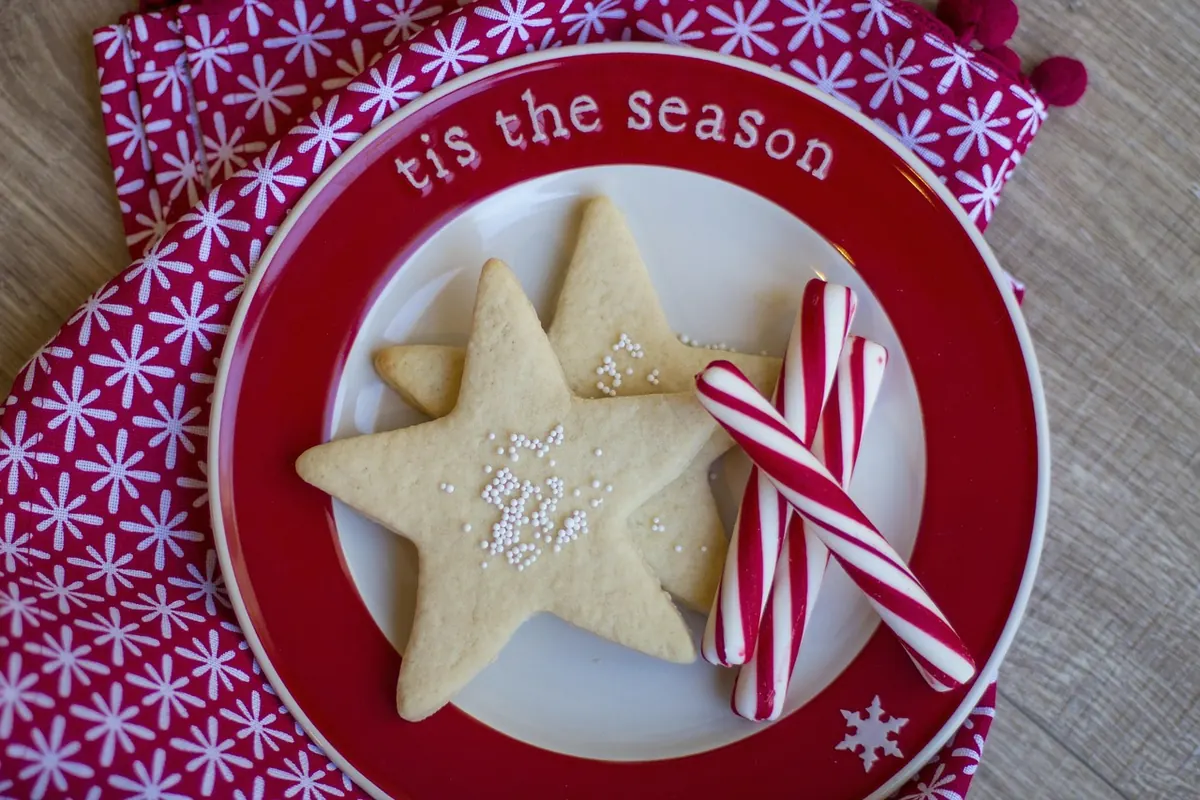
Scoop dough into balls, freeze them solid on a tray, then move them into a bag so they don't fuse into one mass. Bake straight from frozen, adding a minute or two to the usual time. Fully baked cookies freeze well too — stack them in a rigid container with parchment between the layers, then let them sit at room temperature for fifteen to twenty minutes before serving.
Freeze unfrosted cakes only. Cool them completely, wrap tightly in plastic, then in foil, and freeze flat for up to a month. Thaw still wrapped on the counter so condensation forms on the wrapping instead of the crumb. Frosting actually behaves better on a cold cake: chill the layer first, brush off crumbs, and apply a thin crumb coat before the final swirl.
Pie dough is the best freezer tenant in the kitchen. Flatten it into disks, wrap well, and freeze for up to three months; thaw overnight in the refrigerator. Unbaked double-crust fruit pies also freeze well — assemble them in the pan, freeze solid, then wrap. Bake from frozen at a slightly lower temperature and allow extra time so the center cooks through before the crust darkens. Custard and cream pies are the exception: they don't freeze well, so make them a day ahead at most.
Cheesecake, panna cotta, custards, mousse, and ganache tarts are all happier made twenty-four to forty-eight hours ahead. Cover them tightly, because custards absorb refrigerator odors quickly, and leave crunchy elements — toasted nuts, crumbled gingersnaps, candied citrus — for the moment of serving so they stay crisp.
Meringues, crisp cookies, and most unfrosted butter cakes suffer in the cold: they go soft, sticky, or stale faster than they would on the counter. Store them airtight at room temperature. Anything with pastry cream, whipped cream, or raw egg, however, belongs in the fridge, no exceptions.
Some desserts are only as good as their timing. Trifles turn to mush within hours, filled cream puffs go soggy, and a lemon meringue pie weeps once it's chilled. Build these the same day, ideally within a few hours of serving, and keep the components ready in advance: baked cake cubes, cooled curd, chilled bowls, and a whisked bowl of cream waiting in the fridge.
If you want the look of a layered dessert without the risk, assemble it in a clear dish and hold the final layer of cream and garnish until the last half hour.
When in doubt about whether something is still safe to serve, throw it out. For specific food safety questions, check the guidance published by your local food safety authority.
Half an hour out, clear a landing zone on the counter and write the serving order on a sticky note so nobody has to ask. Plate the sturdy desserts early — bars, cookies, sliced cake — and keep the delicate ones in the cold until the plates are cleared. Warm a knife under hot water for clean cheesecake slices, dust with sugar or cocoa at the last second, and know that a slightly lopsided tart tastes exactly as good as a perfect one. The point of baking ahead isn't a flawless table; it's being in the room when the dessert arrives.
Photo: TerriC / Pixabay